
SCHEDULE YOUR CONSULTATION
 469-845-3031


How Blood Tests Are Challenged in Texas DWI Cases
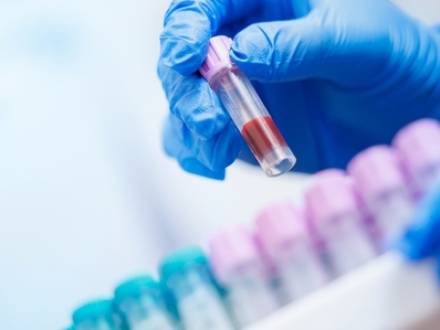 As of 2026, Texas prosecutors still rely heavily on blood tests in DWI cases, especially when a breath test is refused or unavailable. These test results can be challenged, especially when problems arise with testing delays, handling, or lab procedures.
In a 2025 report by Stateline, investigators found that forensic crime labs across the country are struggling with growing backlogs. This can delay toxicology and blood alcohol testing and place added strain on laboratory accuracy. When blood samples sit untested for long periods, questions can arise about storage, contamination, and reliability.
If your DWI charge is based on a blood test, a Dallas, TX DWI defense lawyer can help review whether those issues affect your case.
When Do Police Use Blood Tests in Texas DWI Cases?
Police do not use blood tests in every DWI stop. In many cases, officers first request a breath test. Blood tests are more common when officers believe drugs are involved, when a crash occurred, or when a breath test cannot be obtained.
Texas law outlines specific situations where officers may seek a blood sample. Under Texas Transportation Code § 724.012, police may allow mandatory blood draws under certain circumstances, including cases involving serious injury, death, or prior DWI allegations. Even in these situations, officers must still follow strict legal steps.
If police fail to meet the requirements of the law or rely on a situation that does not qualify, the blood evidence may be challenged in court.
What Must Happen for a Blood Draw To Be Lawful in Texas?
Officers usually need a valid warrant or a recognized legal exception to get a blood draw. The blood draw must be performed by a qualified person and in a proper setting. Courts closely examine these details, and mistakes can lead to the evidence being challenged.
How Can Blood Sample Handling Affect DWI Test Results?
After blood is drawn, it must be handled carefully. This process is called the chain of custody. It tracks who handled the sample and how it was stored.
Problems can occur if samples are mislabeled, stored incorrectly, or delayed before testing. Heat exposure or missing documentation can also affect results. These issues can make it unclear whether the sample tested is accurate.
How Are Blood Test Results Interpreted in Texas DWI Cases?
Blood test results are not just numbers. They have to be explained and placed in context. A test only shows alcohol concentration at the time the blood was drawn, not while the person was driving.
Alcohol levels change over time. If blood is taken hours after a traffic stop, the result may not reflect the driver’s condition behind the wheel. Factors like body weight, food intake, and drinking patterns also affect how alcohol is absorbed. Because of this, two people with the same result may not be impaired in the same way.
Prosecutors sometimes use a method called retrograde extrapolation. This method tries to estimate an earlier alcohol level based on later testing. Texas courts require strong, case-specific facts before accepting this type of estimate, and a defense attorney can challenge it.
How Do Texas Courts Review Blood Test Evidence in DWI Cases?
Texas courts do not automatically accept blood test results. Judges carefully review whether the blood was lawfully obtained and whether testing procedures were reliable.
Texas Code of Criminal Procedure art. 38.35 sets rules for when blood alcohol analysis may be admitted as evidence. This includes requirements related to how the blood was collected, tested, and documented. If those standards are not met, the court may exclude the results.
Problems with warrants, improper handling, or flawed testing methods can all affect whether blood evidence is allowed. These court reviews often play a major role in how a DWI case moves forward.
Contact a Tarrant County, TX DWI Defense Attorney Today
If your DWI charge involves a blood test, Law Office of Michelle Poblenz can help. Attorney Poblenz has more than 25 years of legal experience. She also formerly served as a prosecutor with the Dallas County District Attorney’s Office. That background helps identify problems in blood test evidence and challenge them effectively.
Call 469-845-3031 to speak with a Dallas, TX DWI defense lawyer and learn how blood test evidence may be challenged in your case.






Schedule Your Appointment Today
Fill out our contact form or call us at 469-845-3031, and we will get back to you as soon as possible.
 The use of the Internet or this form for communication with the firm or any individual member of the firm does not establish an attorney-client relationship. Confidential or time-sensitive information should not be sent through this form.
I have read and understand the Disclaimer and Privacy Policy.
Office
800 W. Airport Freeway, Suite 1127
Irving, TX 75062
Monday-Friday
9:00 AM - 5:00 PM
Saturday-Sunday
Closed
469-845-3031
Results listed are not a guarantee or indication of future case results.

800 W. Airport Freeway, Suite 1127, Irving, TX 75062
469-845-3031