
SCHEDULE YOUR CONSULTATION
 469-845-3031


Can Police Search My Car During a Traffic Stop?
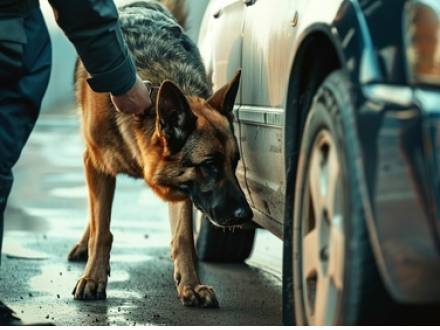 Knowing how to respond when you get pulled over by police in 2026 is an important skillset. Knowing whether an officer is legally allowed to search your car is less talked about, but equally important. This situation can be both confusing and frightening. A Dallas, TX criminal defense attorney can explain what your rights are and how to understand if they’re being violated when you are pulled over by law enforcement.
Why Would a Police Officer Ask to Search My Car at a Traffic Stop?
Police ask to search cars for a few different reasons. Sometimes they spotted something suspicious during the stop: an odor, something they saw through your windows, or behavior that raised their attention. Other times, they may be fishing without any real basis and hoping you will say yes.
Do Police Need a Warrant to Search My Car?
In most situations, officers need a warrant to search your home. The Fourth Amendment to the U.S. Constitution protects you from unreasonable searches and seizures. That protection also applies to your vehicle, with more exceptions.
Because vehicles are mobile and evidence can be easily removed, courts recognize what is called the "automobile exception." Under this rule, if police have probable cause to believe your vehicle contains evidence of a crime, they can search it without a warrant, including the trunk.
Probable cause is more than a hunch. It means a reasonable person would believe, based on the facts, that a crime has been, is being, or is about to be committed. An officer asking for permission to search is different from an officer who claims they already have the right to search. If they are asking, it usually means they don’t yet have probable cause. You are allowed to politely decline, and doing so is not an admission of guilt.
What Is Reasonable Suspicion, and How Is It Different from Probable Cause?
"Reasonable suspicion" is a lower standard than probable cause. It means an officer has some explainable facts suggesting criminal activity, but those facts don’t yet add up to probable cause. Under Texas Code of Criminal Procedure Article 14.03, officers can briefly detain someone based on reasonable suspicion in order to investigate further.
If an officer stops you based on reasonable suspicion, they can conduct a limited search of the area around you. For a driver, that typically means a frisk of the passenger compartment within arm's reach. It does not give them the right to search your trunk.
Here’s how an example scenario could go from the initial stop to a full search based on probable suspicion and probable cause:
- An officer pulls you over for swerving erratically between lanes. This is a traffic offense and also a reasonable suspicion of impaired driving.
- While speaking with you through the driver’s side window, the officer notices a strong odor of marijuana coming from inside the car. This may move the needle from reasonable suspicion to probable cause.
- With probable cause established, the officer may now search the full interior of the vehicle, including the trunk.
The first stop alone does not justify a full search; the clearly definable smell of marijuana coming from within your car does.
Are There Other Reasons Police Can Legally Search Your Car?
Beyond probable cause and reasonable suspicion, there are a few other circumstances where a search may be legally permitted.
You Give Consent
If an officer asks to search your car and you say yes, it can waive your right to challenge the search later. You are not required to consent to a search.
Search Incident to Arrest
If you are put under arrest during a traffic stop, officers may search the area within your immediate reach as part of the arrest.
Clearly Visible Evidence of a Crime
If contraband or evidence of a crime is in plain view from outside or inside your vehicle without any searching, an officer can use that observation as part of the basis for probable cause.
What Happens If the Search of My Car Was Illegal?
If the officer went outside the scope of reasonable suspicion or probable cause during their search, any evidence they find may be "suppressed." This means the prosecution can’t use it against you because of its violation of the Fourth Amendment. This is known as the Exclusionary Rule. In drug cases, especially, if the evidence gets thrown out, the entire charge may fall apart.
Prosecutors do not give up easily, though. They will often argue that an exception applied, that consent was given, or that the evidence would have been found anyway. This is why having a skilled defense attorney reviewing the details of your stop and search in 2026 can make a real difference.
Call a Tarrant County, TX Criminal Defense Attorney Today
If police searched your vehicle during a traffic stop and charged you with a crime, the search itself may be the key to your defense. Our Dallas criminal defense lawyer at the Law Office of Michelle Poblenz is a former prosecutor for the Dallas County District Attorney's Office and brings more than 25 years of legal experience to every case. Contact the Law Office of Michelle Poblenz at 469-845-3031 to schedule your initial consultation.






Schedule Your Appointment Today
Fill out our contact form or call us at 469-845-3031, and we will get back to you as soon as possible.
 The use of the Internet or this form for communication with the firm or any individual member of the firm does not establish an attorney-client relationship. Confidential or time-sensitive information should not be sent through this form.
I have read and understand the Disclaimer and Privacy Policy.
Office
800 W. Airport Freeway, Suite 1127
Irving, TX 75062
Monday-Friday
9:00 AM - 5:00 PM
Saturday-Sunday
Closed
469-845-3031
Results listed are not a guarantee or indication of future case results.

800 W. Airport Freeway, Suite 1127, Irving, TX 75062
469-845-3031