
SCHEDULE YOUR CONSULTATION
 469-845-3031


Can Police Arrest You for DWI Without a Breath or Blood Test in Texas?
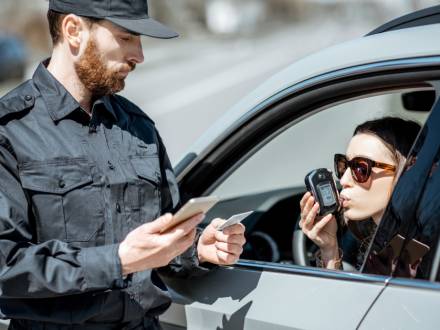
Although it may be surprising, an arrest for DWI in Texas doesn’t always require a breath or blood test. An officer generally needs a legal reason to stop the driver and probable cause to believe the driver was intoxicated before making an arrest.
If you were arrested for DWI without performing a chemical test in 2026, a Dallas, TX DWI attorney can help you understand if the officer was acting within the bounds of the law.
Do Police Need a Breath or Blood Test to Arrest You for DWI in Texas?
A DWI arrest in Texas doesn’t require a breath or blood test. Rather, it’s based on reasonable suspicion and probable cause.
An officer might have reasonable suspicion to make a traffic stop based on driving behavior or other facts suggesting that a driver is impaired. During the stop, the officer may notice other signs of intoxication. Under Texas Code of Criminal Procedure Article 14.01, an officer can make a warrantless arrest for an offense committed in their presence or view. The officer can consider the total circumstances when deciding whether there is probable cause for a DWI arrest. Therefore, a breath or blood test is not required before an arrest.
Police can look at many different signs when investigating a possible DWI. These might include erratic driving, the odor of alcohol, slurred speech, problems with balance, and poor performance on field sobriety tests. None of these require a breath or blood sample.
What Is Implied Consent in a Texas Arrest?
Under Texas’s implied consent law, a person arrested for DWI is considered to have consented to a breath or blood test. Texas Transportation Code Section 724.011 explains this rule. In other words, after they are actually arrested, they are expected to submit to a breath or blood test. A person can still refuse the test, but refusal can lead to a driver’s license suspension through the Texas Department of Public Safety. This administrative suspension is separate from the criminal DWI case. A refusal can also be used as evidence in court.
If a person refuses a blood test, an officer may ask a judge for a warrant allowing a blood draw.
Can You Be Convicted of DWI Without Chemical Test Evidence in Texas?
Yes—it is possible to be convicted without breath or blood evidence. Texas law also defines intoxication as losing the normal use of mental or physical abilities because of alcohol or drugs. Prosecutors may rely on:
- Dashcam or body camera footage showing driving behavior and physical signs of intoxication
- Officer testimony about your appearance, speech, and coordination
- Field sobriety test results
- Statements you made during the stop
Without a chemical test confirming intoxication, the case becomes centered on the evidence that a driver was intoxicated. This may work in a defendant’s favor in some cases. Whether it works for or against a defendant depends on the strength of the evidence against them and whether there were any mistakes or improper conduct by the officer during the arrest.
An attorney will also review whether the traffic stop was legal. If it was not, the defense may ask the court to exclude evidence gathered after the stop. This can weaken the prosecution’s case and, in some situations, could lead to dismissal.
What Should You Do if You’re Stopped for DWI by a Police Officer in Texas?
You’re generally required to provide your license and registration during a traffic stop. You don’t have to answer questions about where you’ve been or how much you’ve had to drink, though. Politely declining to answer beyond identifying information is not incriminating.
Drivers are generally not required to perform roadside field sobriety tests in Texas. However, refusing the tests does not prevent an arrest, and the refusal itself can become part of the evidence in a DWI case.
Call a Tarrant County, TX Criminal Defense Attorney Today
Even without a chemical test, a DWI arrest is serious. A conviction means a criminal record that can affect many parts of your life for years. An attorney can review the arrest and evidence to identify possible defenses.
If you have been charged with DWI, contact our Dallas, TX DWI lawyer for help. Attorney Michelle Poblenz is a former prosecutor for the Dallas County District Attorney’s Office, giving her insight into how the prosecution builds their cases. She brings more than 25 years of legal experience to every case and handles each personally.
Call the Law Office of Michelle Poblenz at 469-845-3031 to schedule your initial consultation.






Schedule Your Appointment Today
Fill out our contact form or call us at 469-845-3031, and we will get back to you as soon as possible.
 The use of the Internet or this form for communication with the firm or any individual member of the firm does not establish an attorney-client relationship. Confidential or time-sensitive information should not be sent through this form.
I have read and understand the Disclaimer and Privacy Policy.
Office
800 W. Airport Freeway, Suite 1127
Irving, TX 75062
Monday-Friday
9:00 AM - 5:00 PM
Saturday-Sunday
Closed
469-845-3031
Results listed are not a guarantee or indication of future case results.

800 W. Airport Freeway, Suite 1127, Irving, TX 75062
469-845-3031